Learn when to pave your driveway or parking lot for optimal results in Cheshire and Hillsborough Counties, NH. Get Asphalt NH provides insights and services.
Share:
Summary:
The paving season in New Hampshire is generally limited to the warmer months. Late spring, summer, and early fall typically offer the conditions needed for high-quality asphalt work. The reason is straightforward: asphalt needs warmth and stable ground to be installed correctly. Attempting to pave during the cold winter months is generally not advisable because the ground is often frozen, preventing proper preparation and compaction of the base layer beneath the asphalt. Furthermore, cold temperatures cause the asphalt mixture itself to cool too rapidly during installation. Early spring can also present difficulties; while temperatures might start rising, the ground is often thawing, leading to soft, muddy, or unstable subgrades that compromise the foundation of your pavement. Identifying the best time to pave means waiting for consistently warm temperatures and firm, dry ground, usually from May through September or early October in Cheshire County and Hillsborough County.
Temperature is perhaps the single most critical factor in determining the best time to pave. Hot mix asphalt (HMA), the standard material used for driveways and parking lots, is produced and delivered at high temperatures, typically between 275°F and 300°F. It needs to remain sufficiently hot throughout the spreading and compaction process to allow the aggregate particles to be properly coated with the asphalt binder and for the mixture to be densely compacted. Paving should ideally occur when both ground and ambient air temperatures are consistently above 50°F, and preferably rising. If the temperature is too low, the asphalt cools too quickly, becoming stiff and difficult to work with. This rapid cooling prevents adequate compaction, resulting in a less dense pavement with more air voids, making it susceptible to water damage, cracking, and premature failure. Optimal temperatures make sure the asphalt stays workable long enough for asphalt driveway pavers to achieve a smooth, dense, and durable surface, making warm weather the best time to pave for residential asphalt paving.
Temperature is perhaps the single most critical factor in determining the best time to pave. Hot mix asphalt (HMA), the standard material used for driveways and parking lots, is produced and delivered at high temperatures, typically between 275°F and 300°F. It needs to remain sufficiently hot throughout the spreading and compaction process to allow the aggregate particles to be properly coated with the asphalt binder and for the mixture to be densely compacted. Paving should ideally occur when both ground and ambient air temperatures are consistently above 50°F, and preferably rising. If the temperature is too low, the asphalt cools too quickly, becoming stiff and difficult to work with. This rapid cooling prevents adequate compaction, resulting in a less dense pavement with more air voids, making it susceptible to water damage, cracking, and premature failure. Optimal temperatures make sure the asphalt stays workable long enough for asphalt driveway pavers to achieve a smooth, dense, and durable surface, making warm weather the best time to pave for residential asphalt paving.
Want live answers?
Connect with a Get Asphalt NH expert for fast, friendly support.
Given the relatively short optimal paving window in New Hampshire, planning your project well in advance is highly recommended. The period from late spring to early fall is the busiest time for paving companies. Therefore, waiting until the middle of summer to start looking for a contractor might mean facing long wait times or even missing the best time to pave altogether for the current year. Homeowners and property managers in Cheshire County and Hillsborough County should ideally begin researching and contacting potential contractors like Get Asphalt NH in late winter or early spring. This allows ample time to discuss the project, receive detailed quotes, understand the proposed process, check references, and secure a spot on the schedule during the prime paving season. Early planning helps ensure your project happens during the best time to pave.
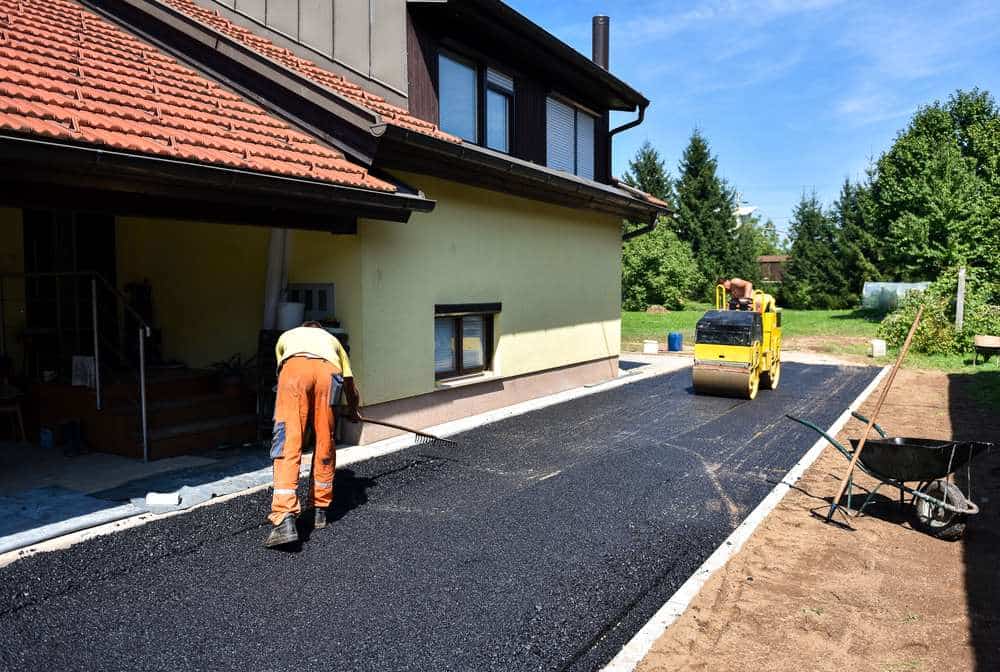
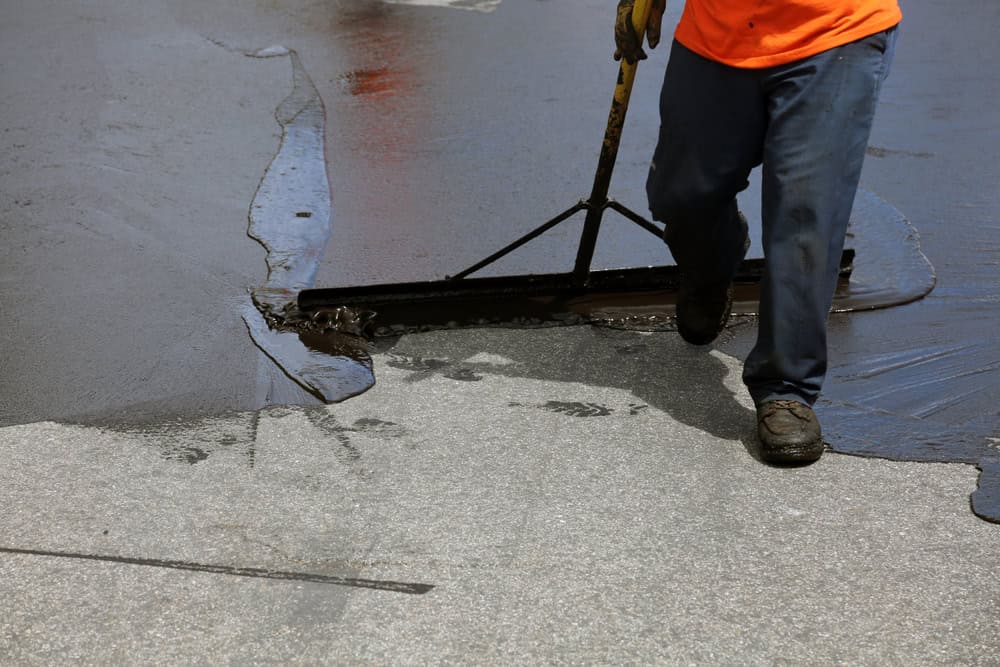
Achieving a sustainable asphalt surface depends equally on using quality materials and employing correct installation techniques, especially during the best time to pave. The material itself, hot mix asphalt (HMA), is a carefully proportioned blend of aggregates (various sizes of crushed stone, gravel, and sand) and liquid asphalt cement, which acts as the binder. The specific mix design should be appropriate for the New Hampshire climate and the intended use (e.g., residential driveway vs. commercial parking lot). The installation process begins with meticulous preparation of the subgrade and base layer—assuring it is stable, properly graded for drainage, and compacted. Sometimes, a tack coat (a thin layer of liquid asphalt) is applied to help the new asphalt layer bond to an existing one. The HMA is then typically laid using a specialized paving machine that distributes it evenly at the correct thickness. Immediately following placement, compaction begins using various types of heavy rollers (like vibratory rollers for initial breakdown and static steel-wheel rollers for finishing) to attain the target density before the asphalt cools. This compaction phase is vital for durability and water resistance.
Selecting a capable and reliable contractor is essential for capitalizing on the best time to pave. Look for asphalt driveway pavers with demonstrable experience working specifically within Cheshire County or Hillsborough County, NH. Local knowledge is invaluable for understanding soil conditions, typical weather patterns, and any local regulations. Ask potential contractors about their process: How do they prepare the base? What type of asphalt mix do they use? What is their compaction procedure? A reputable asphalt paving contractor will be transparent about these details. Verify they have the appropriate equipment for the job size and that they understand and respect the importance of scheduling work during the best time to pave, avoiding adverse weather or temperature conditions. Get Asphalt NH possesses the local experience and process knowledge required for residential asphalt paving and larger projects.
In summary, timing is a very important consideration for any asphalt paving project in New Hampshire. Scheduling your driveway or parking lot installation during the warmer, drier months—generally late spring through early fall—provides the necessary conditions for the asphalt mix to be properly installed and compacted. Paying attention to temperature and moisture levels is key to achieving a durable, smooth surface that will resist cracking and deterioration. Planning ahead by contacting contractors early allows you to secure scheduling during this optimal window, representing the best time to pave. Working with experienced professionals familiar with the local climate, like Get Asphalt NH, further contributes to a successful outcome. If you are considering an asphalt project in Cheshire County or Hillsborough County, NH, now is a great time to start planning. Contact us today to discuss your needs and determine the best time to pave your property.
Article details:
Share:
Continue learning:
Support
Useful Links