Planning an asphalt paving project? The crew at Get Asphalt NH breaks down what you can expect during the asphalt paving process in Cheshire & Hillsborough County.
Share:
Summary:
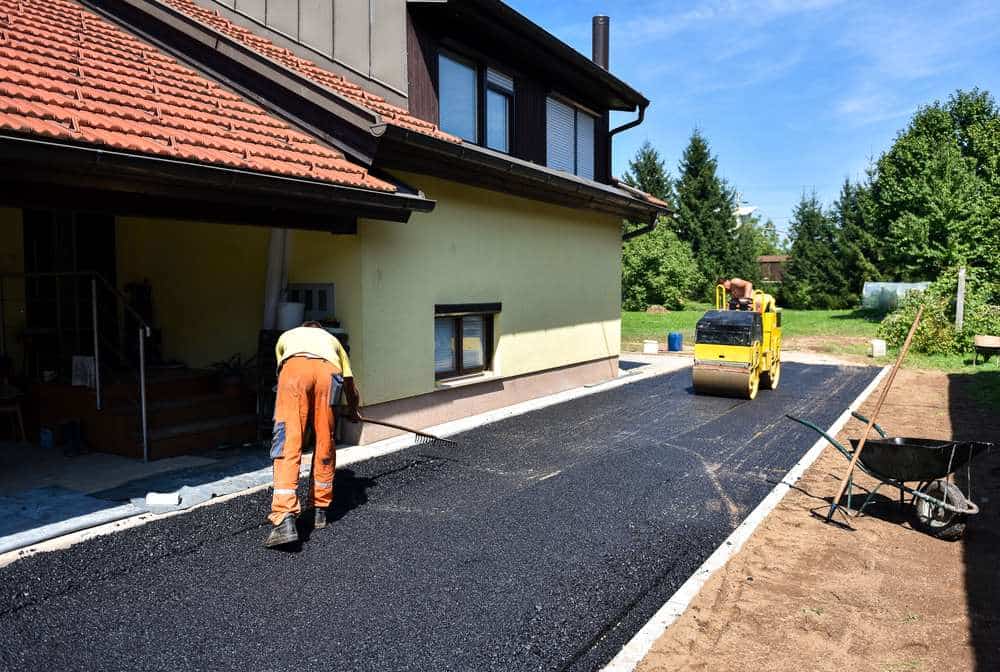
Each asphalt paving project starts with prep work. Before the first drop of asphalt goes down, our crew will assess the site. This includes checking the existing surface for damage, drainage issues, or soft spots. Removing debris and digging down to reach a stable base is often part of this phase. In many cases, a new layer of gravel or crushed stone is added and compacted to create a strong base that supports the asphalt on top.
Grading is a big part of the job, too. It helps guide water away from your surface once the project is finished, which is important to avoid standing water or erosion. The final prep stage involves compacting the base layer using rollers to create an even, solid foundation. Without these early steps, the asphalt surface won’t last nearly as long.
Asphalt isn’t just blacktop; it’s a blend of materials designed for strength and flexibility. At Get Asphalt NH, we use a mixture of sand, stone, and crushed gravel, which is bound together by bitumen, a sticky petroleum-based binder. This combination helps the surface hold up to foot and vehicle traffic, seasonal temperature swings, rain, snow, and the sun’s UV rays.
Different asphalt paving projects may call for slightly different blends, depending on the intended use. For instance, a residential driveway may use a finer mix, while a commercial parking lot might require a coarser, more rugged formula. We’ll match the material to the traffic and wear the specific surface will be exposed to.
Asphalt isn’t just blacktop; it’s a blend of materials designed for strength and flexibility. At Get Asphalt NH, we use a mixture of sand, stone, and crushed gravel, which is bound together by bitumen, a sticky petroleum-based binder. This combination helps the surface hold up to foot and vehicle traffic, seasonal temperature swings, rain, snow, and the sun’s UV rays.
Different asphalt paving projects may call for slightly different blends, depending on the intended use. For instance, a residential driveway may use a finer mix, while a commercial parking lot might require a coarser, more rugged formula. We’ll match the material to the traffic and wear the specific surface will be exposed to.
Want live answers?
Connect with a Get Asphalt NH expert for fast, friendly support.
On paving day, the crew will arrive at your location with all the equipment and materials ready to go. The surface is double-checked to confirm the base is sound and dry. Next, hot asphalt is laid down using a mechanical paver, which spreads the mix evenly across the surface at a consistent depth.
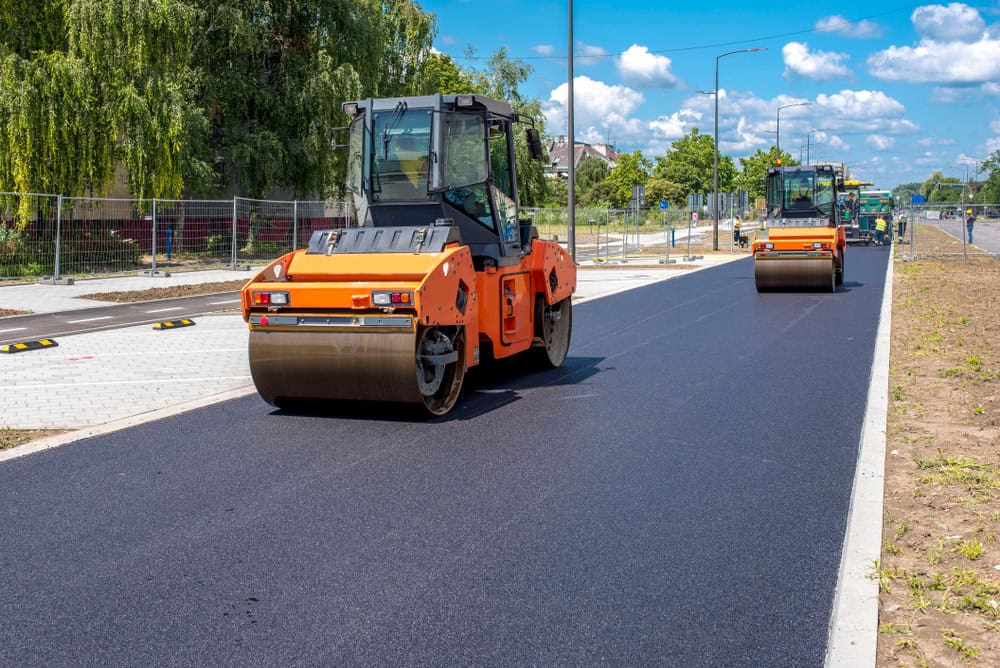
After the asphalt is applied, it’s immediately compacted with heavy rollers while it’s still warm. This locks everything together and flattens out any imperfections. The crew will work in sections to make sure there’s no delay between laying and compacting. When done correctly, this results in a strong, uniform finish that’s ready for light use after a short cooling period.
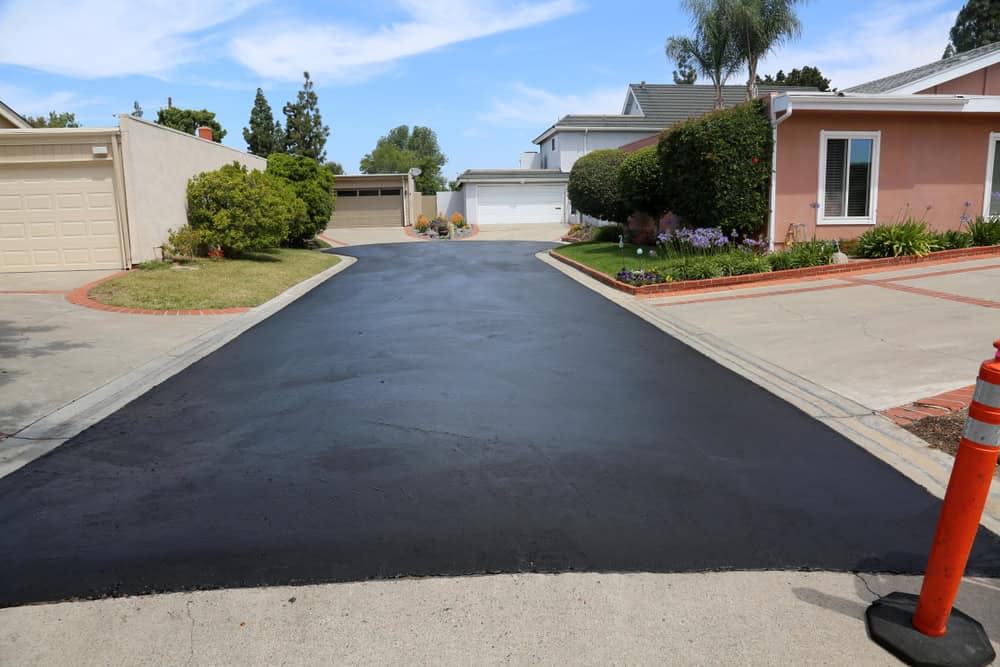
Once your asphalt is in place, giving it time to settle is important. Avoid driving or parking on it for the first 48–72 hours to give it time to harden and reach full strength. From there, routine maintenance can help extend the lifespan of the surface and keep it looking neat and clean.
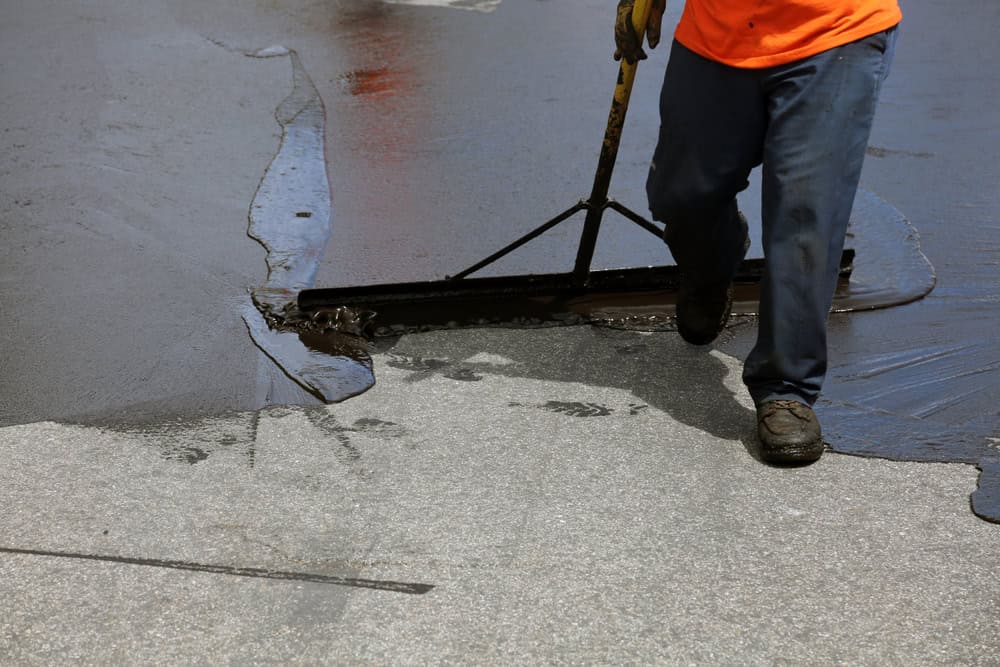
Plan to reseal the surface every few years. Seal coating helps block UV rays, moisture, and oil stains from seeping into the asphalt and breaking it down. You should also keep an eye out for cracks and fill them early before they grow or allow water below the surface. These small efforts go a long way toward keeping your pavement in great shape.
Working with a local team familiar with the area can make a big difference in how your asphalt paving project turns out. Get Asphalt NH has completed countless installations across Cheshire and Hillsborough Counties. As a local company, we understand the regional conditions that can affect the performance of asphalt paving, such as freeze-thaw cycles, clay-heavy soil, and traffic load.
From start to finish, communication is a major part of what makes the asphalt paving process go smoothly. You’ll know when crews will arrive, how long the work will take, and what to expect after it’s complete. We go the extra mile to make sure the job goes smoothly, from start to finish.
Understanding the asphalt paving process makes it easier to plan your project and feel confident about each stage of the project. From prep and grading to mixing, laying, and the finishing touches, each step plays a role in getting the most from your new surface. If you’re planning a project in Cheshire or Hillsborough County, Get Asphalt NH is ready to help. Our team handles residential and commercial paving with a clear process and open-ended scheduling, and ultimate results. Reach out to us today to schedule a consultation.
Article details:
Share:
Continue learning:
Support
Useful Links