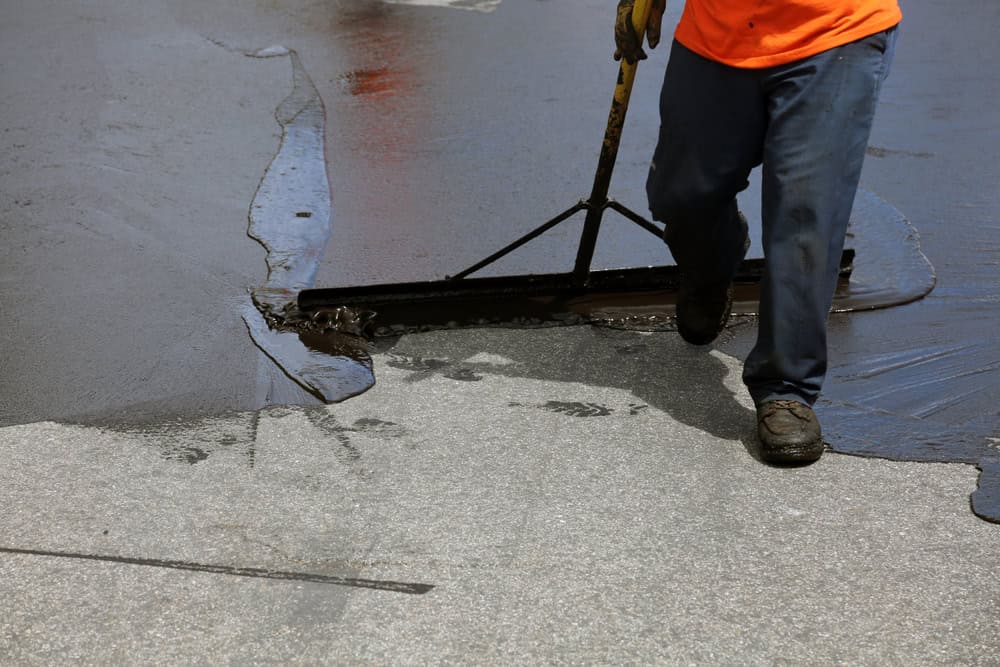
Winter's harsh conditions can wreak havoc on asphalt. Learn to protect your driveway or parking lot in Cheshire and Hillsborough Counties, NH.
Share:
Summary:
Winter weather presents several challenges to asphalt’s integrity. The freeze-thaw cycle is when major problems ensue. When water seeps into cracks and freezes, it expands, creating larger cracks and potholes. Furthermore, snowplows and de-icing salts, while necessary for safety, can also contribute to surface wear and tear. Understanding these challenges is the first step in winter asphalt care.
The repeated freezing and thawing of water within asphalt cracks is a significant cause of damage. As water freezes, it expands, putting pressure on the surrounding asphalt. This process weakens the asphalt and leads to cracking. Addressing cracks promptly is the key to preventing further deterioration.
While de-icing salts and snowplows are essential for safe winter travel, they can also impact asphalt. Salt can corrode the asphalt binder, while snowplows can scrape and damage the surface. Minimizing salt use and careful snow removal practices can help mitigate these risks.
Want live answers?
Connect with a Get Asphalt NH expert for fast, friendly support.
Proactive maintenance is key to protecting your asphalt during the winter. This includes regular inspections, crack sealing, and proper snow removal. By taking these steps, you can significantly reduce the risk of winter damage and increase the lifespan of your asphalt.
Crack sealing is a step in preventing winter asphalt damage. By filling cracks with a flexible sealant, you prevent water from entering and expanding during freeze-thaw cycles. This simple measure can save you from costly repairs down the road. We use hot-applied sealants designed for New Hampshire’s climate, such as a polymer-modified asphalt emulsion.
When removing snow from your asphalt surfaces, avoid using excessive force that could scrape or damage the surface. Use a plastic shovel or a snow blower with rubber-tipped blades. Also, be mindful of where you pile snow, as melting snow can contribute to water accumulation and freezing.
Winter can be tough on asphalt, but with the right care, you can keep your surfaces in good condition. Regular inspections, crack sealing, and careful snow removal are essential for preventing winter damage. By following these tips, you can extend your asphalt and circumvent the need for any repairs. Contact us today for a free consultation on your asphalt maintenance needs in Cheshire and Hillsborough Counties, NH.
Article details:
Share:
Continue learning:
Support
Useful Links