How long does asphalt paving last? Find the factors influencing its lifespan and how proper care extends its use.
Share:
Summary:
Planning an asphalt project in Cheshire County? Understanding its lifespan is key. This post shows the impact of asphalt durability and how to keep it in prime condition for years.
Table of contents
Considering asphalt paving for your Cheshire County property? A key question is, “How long will it last?” Let’s find the factors influencing asphalt’s lifespan.
Factors Affecting Asphalt Longevity
Several elements affect how long your asphalt surface remains in good condition. These include traffic volume, weather conditions, and the quality of the initial installation. Also, proper maintenance plays a significant role in its longevity.
The Impact of Weather
New Hampshire’s freeze-thaw cycles can be harsh on pavement. However, properly installed and maintained asphalt can withstand these conditions. Rain, snow, and ice can also take a toll if the surface is not protected.
Traffic Volume and Weight
New Hampshire’s freeze-thaw cycles can be harsh on pavement. However, properly installed and maintained asphalt can withstand these conditions. Rain, snow, and ice can also take a toll if the surface is not protected.
Want live answers?
Connect with a Get Asphalt NH expert for fast, friendly support.
Proper maintenance maximizes asphalt’s lifespan. This includes regular driveway seal coating and prompt repairs of cracks or potholes, which can add years to the pavement’s service life.
Sealcoating: A Protective Layer
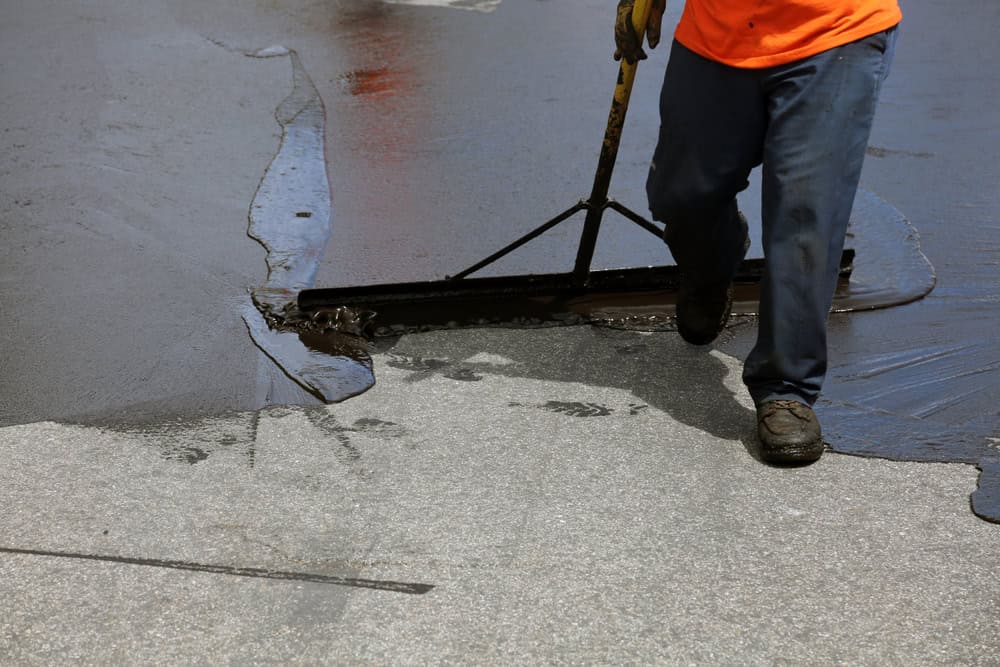
Sealcoating creates a barrier against the elements. It protects the asphalt from water damage, UV rays, and oxidation. This is a cost-effective way to preserve its condition.
Crack Repair: Preventing Further Damage
Addressing cracks quickly prevents water from seeping into the base layer. This stops more enormous potholes from forming and maintains the pavement’s structural integrity.
Making Your Asphalt Investment Last
Properly, asphalt paving can last many years, providing a durable and attractive surface. Understanding the factors that influence its lifespan allows you to make informed decisions about maintenance. Contact Get Asphalt NH in Cheshire County to discuss your paving needs and create a plan for long-lasting results.