See how asphalt goes from hot mix to a finished driveway. Learn the steps involved in the asphalt paving process for your New Hampshire home.
Share:
Summary:
The asphalt paving process starts long before any equipment arrives at your home. It begins at an asphalt plant where specific ingredients are combined. The primary components are aggregates—which include crushed stone, gravel, and sand—and a petroleum-based binder called bitumen. These materials are heated and mixed together precisely. The proportions of aggregate and binder, along with the mixing temperature (often between 275°F and 325°F), are calculated to meet specific requirements for durability and climate suitability, like those found in New Hampshire. This hot mix asphalt (HMA) is then loaded onto trucks, ready for transport to your residential asphalt paving project site while maintaining its temperature.
Before the new asphalt can be placed, the designated area needs thorough preparation. Firstly, the existing surface, if any, is often removed. Secondly, the crew clears away any vegetation, large rocks, or debris. Thirdly, the underlying soil, known as the subgrade, is graded or sloped. Proper grading is fundamental for directing water away from the pavement and your home’s foundation. In areas like Cheshire County, correct drainage prevents water pooling, which can lead to cracks and deterioration, especially during freeze-thaw cycles. The subgrade is then compacted for stability.
Before the new asphalt can be placed, the designated area needs thorough preparation. Firstly, the existing surface, if any, is often removed. Secondly, the crew clears away any vegetation, large rocks, or debris. Thirdly, the underlying soil, known as the subgrade, is graded or sloped. Proper grading is fundamental for directing water away from the pavement and your home’s foundation. In areas like Cheshire County, correct drainage prevents water pooling, which can lead to cracks and deterioration, especially during freeze-thaw cycles. The subgrade is then compacted for stability.
Want live answers?
Connect with a Get Asphalt NH expert for fast, friendly support.
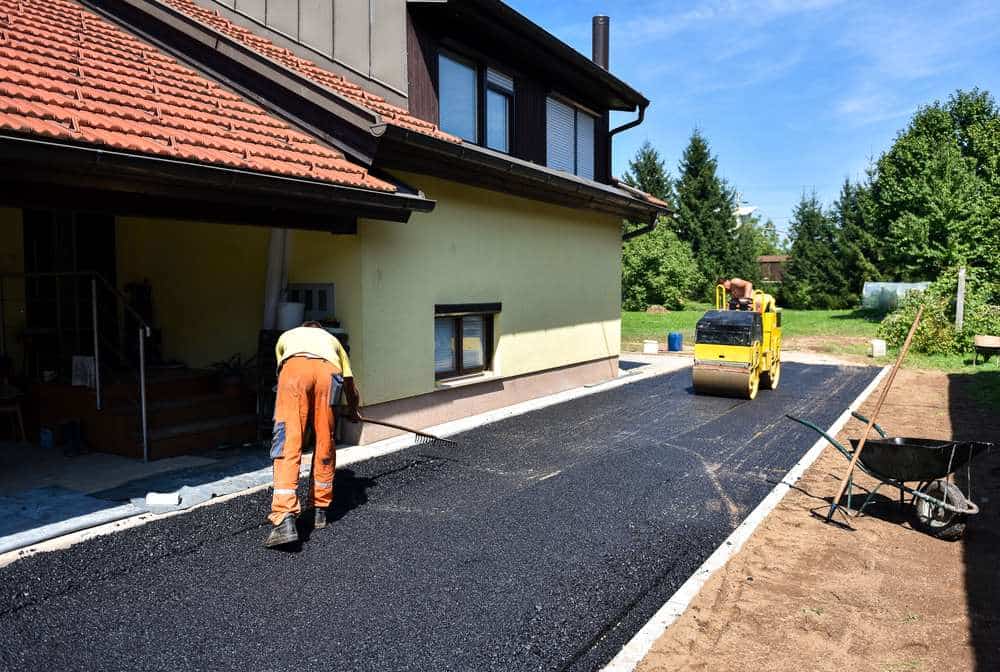
Now comes the part most people associate with the asphalt paving process: laying the blacktop. The hot mix asphalt arrives from the plant in specialized trucks designed to keep it hot. It’s then typically transferred into a paving machine. This machine distributes the HMA evenly across the prepared base layer at a specified thickness, usually in layers called lifts. For a standard driveway, one or two lifts might be applied. The paving machine screed levels the asphalt to achieve a smooth, uniform surface. Hand tools like lutes and shovels may be used by the crew for edges and smaller areas the machine can’t reach effectively.
Immediately after the asphalt is laid, while it’s still hot and pliable, compaction begins. This is a very important part of the asphalt paving process because it creates the final density and strength of the pavement. Crews use heavy rollers, such as double-drum vibratory rollers or static steel-wheel rollers, passing over the asphalt multiple times. Compaction presses the aggregate particles together, reducing air voids within the mix. Fewer air voids mean less opportunity for water penetration, which protects the pavement from damage. Achieving the correct density makes the surface durable and capable of supporting vehicle weight without deforming.
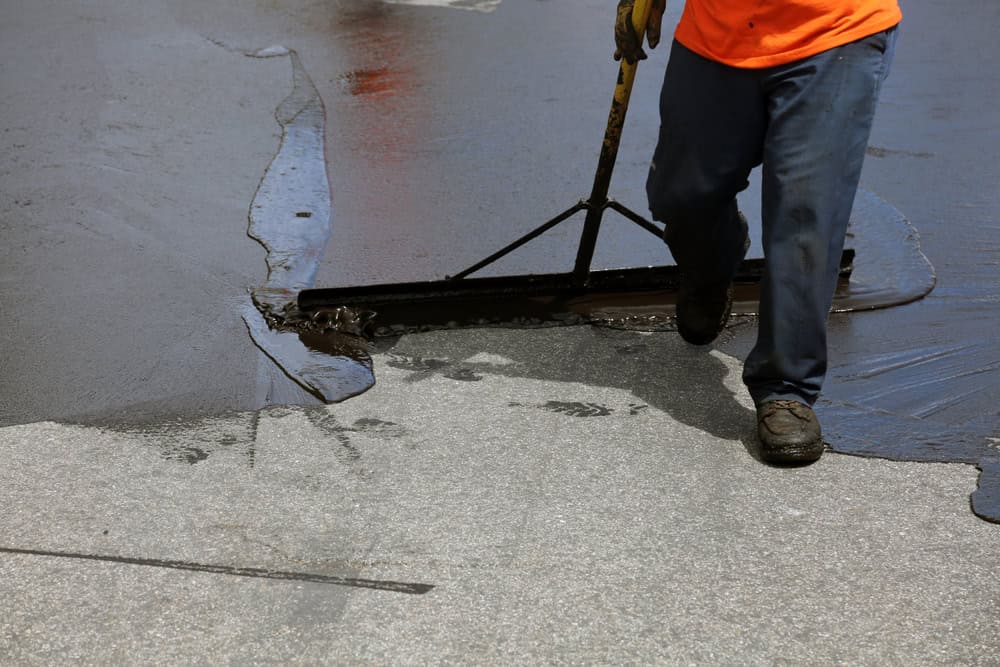
After compaction, the asphalt needs time to cool and harden, a period known as curing. While it might feel cool to the touch relatively quickly, it takes longer, sometimes several days to weeks, for the pavement to fully set and reach maximum strength. It’s generally advised to wait at least 24-48 hours before walking on the new surface and longer, perhaps 3-5 days, before driving on it, especially in warmer weather. Seam smoothing and edge finishing contribute to the final appearance. Some homeowners in Hillsborough County opt for asphalt sealing later on, which adds a protective layer, although this is typically done months after the initial installation.
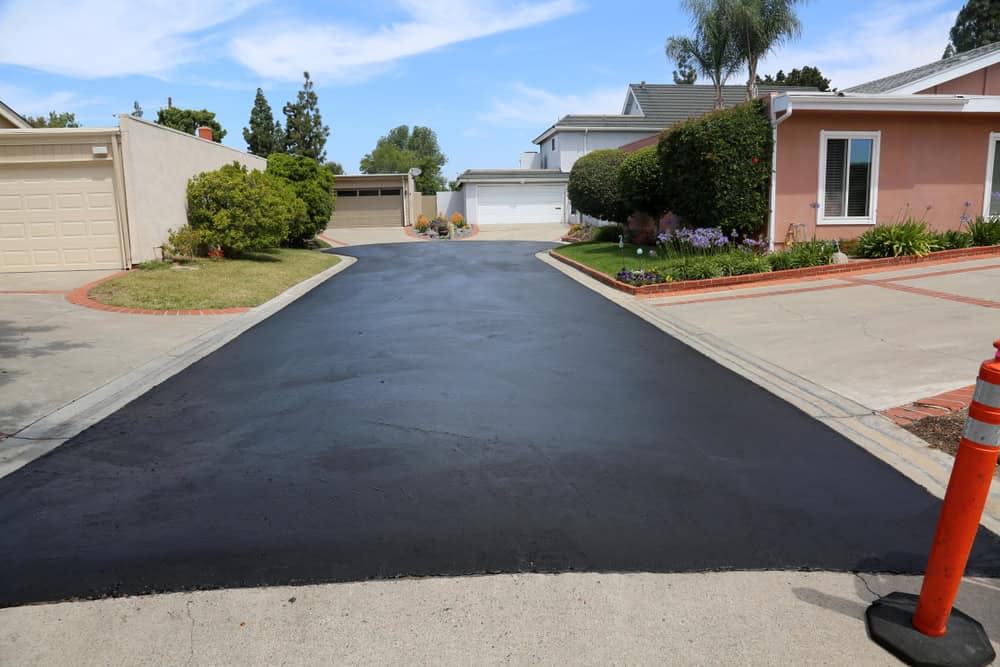
To sum up, the asphalt paving process involves several detailed stages, from the careful mixing of materials to precise site preparation, application, and compaction. Each step contributes to the final product’s durability and appearance. For homeowners in Cheshire County and Hillsborough County, NH, understanding this procedure helps in appreciating the investment in a new driveway or residential asphalt surface. If you are ready to begin your asphalt project or have more questions about the asphalt paving process, contact us to discuss your specific needs.
Article details:
Share:
Continue learning:
Support
Useful Links